Research
My research spans taxonomic discovery, conservation genomics, anthropogenic impacts, biosecurity, and nature digitization — united by a commitment to understanding and reversing insect biodiversity loss through rigorous field, genomic, and computational approaches.
Research Themes
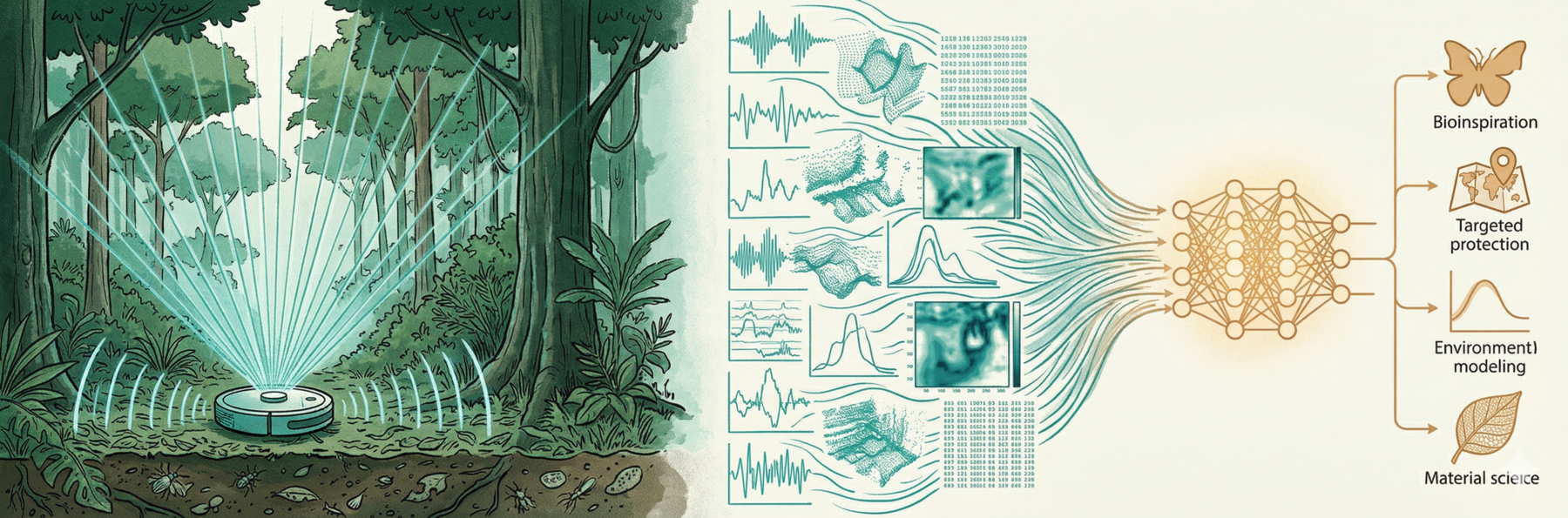
Nature Digitization & Biological Inspiration
Translating physical biological entities — from single specimens to whole environments, spanning the forest floor to the canopy — into high-dimensional digital datasets to uncover hidden evolutionary and ecological rules. This work involves building and deploying custom measurement instruments to capture complex, non-visible traits, collecting data at scale, and constructing AI-driven analytical pipelines to extract meaning from it. The resulting insights feed into bioinspiration, conservation, and our understanding of how life adapts to a changing world.
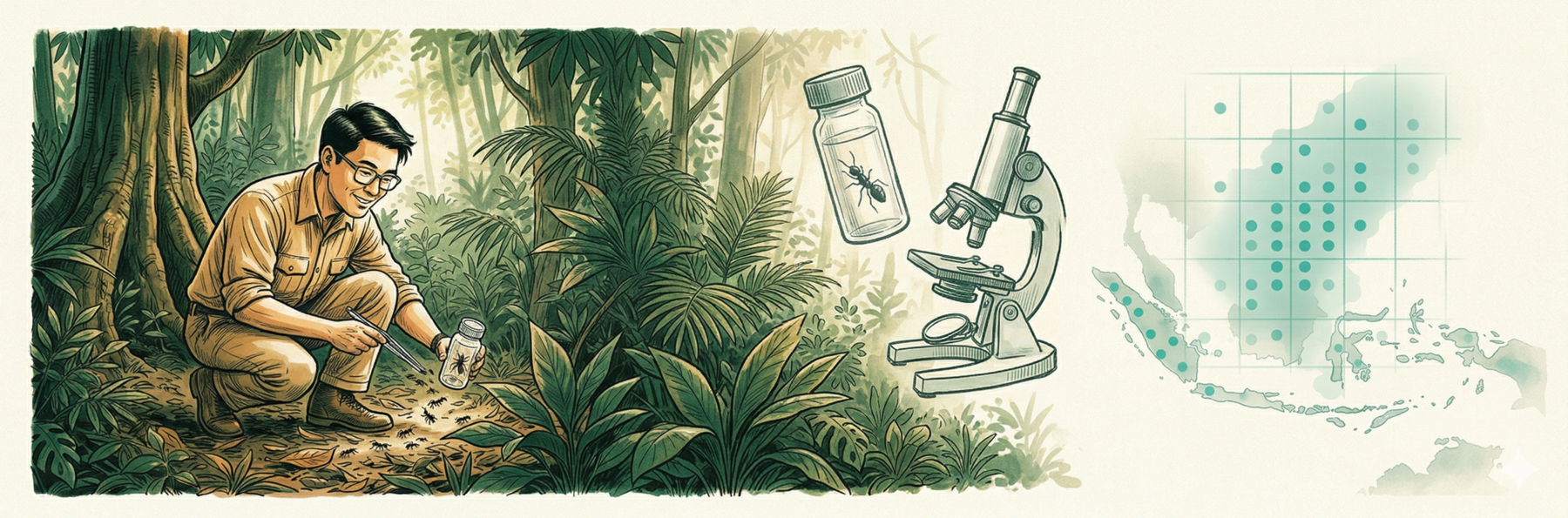
Taxonomic Discovery & Biodiversity Informatics
Cataloging insect biodiversity through species descriptions, taxonomic revisions of cryptic groups like the ant genus Cerapachys, and altitudinal surveys in hotspots such as the Hengduan Mountains. This work synthesizes discoveries into accessible databases like GABI-I, establishing the ecological baselines needed to map global distributions and prioritize conservation.
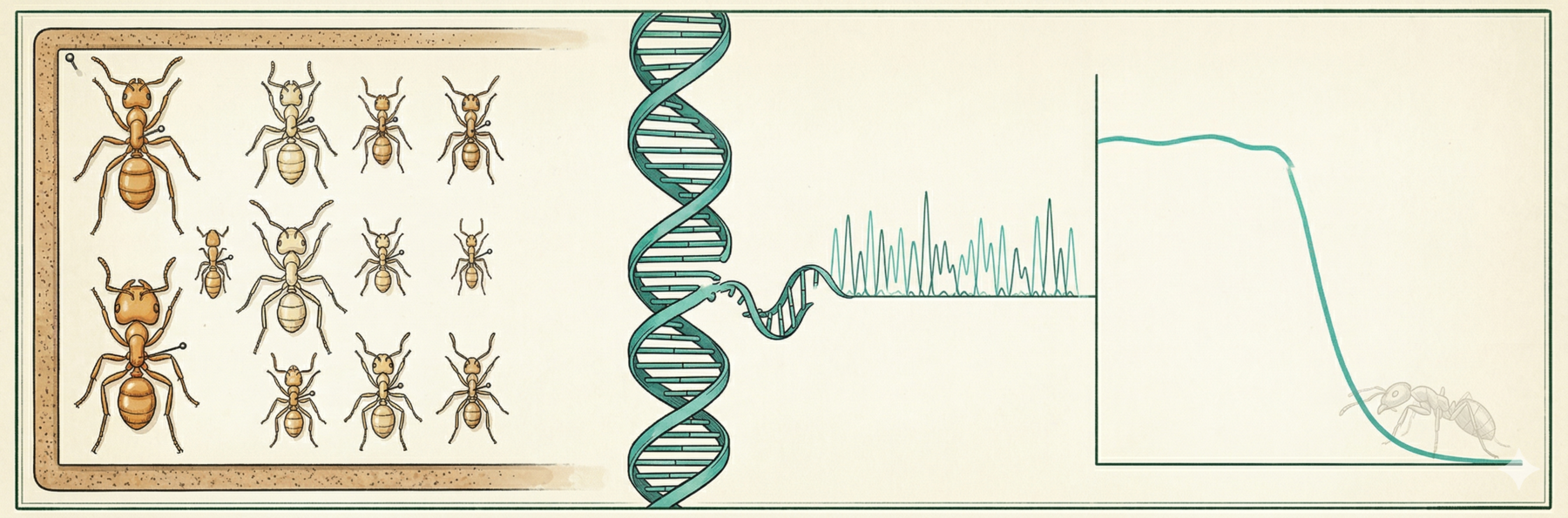
Conservation Genomics & Endemic Species Decline
Applying community genomics to contemporary and historical museum collections to reconstruct long-term demographic trends spanning millions of years. This approach has quantified massive, human-driven population declines in endemic island insects — providing vital historical context for the biodiversity crisis and highlighting the extreme vulnerability of island species.
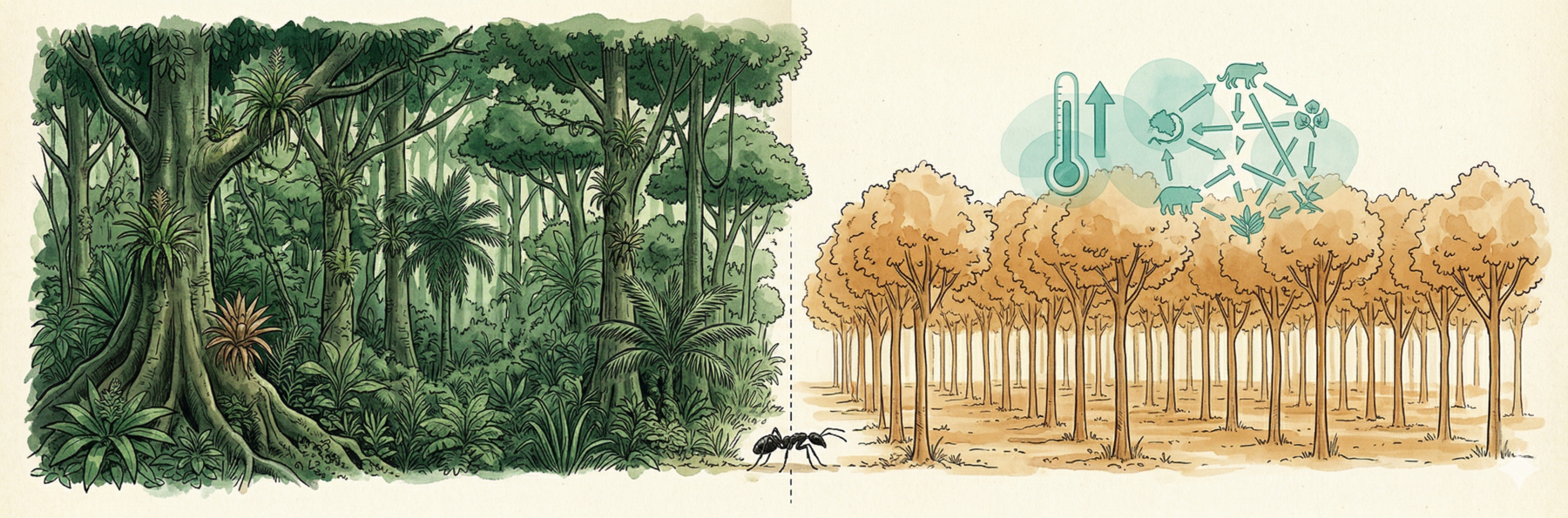
Anthropogenic Impacts & Ecosystem Resilience
Evaluating how land-use conversion — such as the transition from primary tropical rainforests to rubber plantations — and climate change compound to reshape ecological assemblages. By measuring simultaneous shifts in taxonomic, functional, and phylogenetic diversity, this work reveals how habitat degradation unravels species interactions and permanently reduces the resilience of insect communities.

Biosecurity & Biological Invasion Risks
Using digital surveillance — including web scraping of geotagged e-commerce data — to monitor the global online trade of exotic insects. Integrating these datasets with trait-based analysis and species distribution modeling proactively identifies non-native species with high establishment potential, delivering actionable intelligence for biosecurity policy and invasion risk assessment.
Publications
34 peer-reviewed publications
High-throughput phenomics of global ant biodiversity
Katzke J, Hita Garcia F, ... Liu C ... et al.
Genomic signatures indicate massive decline of endemic island insects
Liu C*, Sarnat E, Tan JA, Janicki J, Deyrup J, Ogasawara M, Grau ML, Qiu LJ, Hita Garcia F, Fischer G, Caginotoba A, Narula N, Darwell C, Kubota Y, Pierce N, Mikheyev AS*, Economo EP*
Partner dependency alters patterns of coevolutionary selection in mutualisms
Vidal M, Liu C, Wang SP, Segraves KA
Dispersal promotes the stability and persistence of exploited mutualisms
Liu C* and Vidal M
Taxonomy of the ant genus Cerapachys Smith, 1857 (Hymenoptera: Formicidae) in China with description of a new species
Liu C*, Hita Garcia F, Peng YQ, Pierce N
Habitat fragmentation drives pest termite risk in humid, but not arid, biomes
Wu DH, Liu C, Caron FS, Luo YY, Pie MR, Yu MJ, Eggleton P, Chu CJ*
Interspecific Host Variation and Biotic Interactions Drive Pathogen Community Assembly in Chinese Bumblebees
Chen HH, Zhang GS, Ding GL, Huang JX, Zhang H, Vidal MC, Corlett RT, Liu C*, An JD
Monitoring the online ant trade reveals high biological invasion risk
Wang ZY*, Zeng J, Ran H, Meng WL, Zhou SY, Davis A, Liu C*
GABI-I: The global ant biodiversity informatics-island database
Liu C, Economo EP, Guénard B*
Updating the taxonomy of the ant genus Myrmecina (Hymenoptera, Formicidae) in China with descriptions of three new species
Liu C*, Fischer G, Liu Q, Peng YQ, Economo EP, Guénard B
Fieldwork
Research expeditions across Asia and the Pacific.
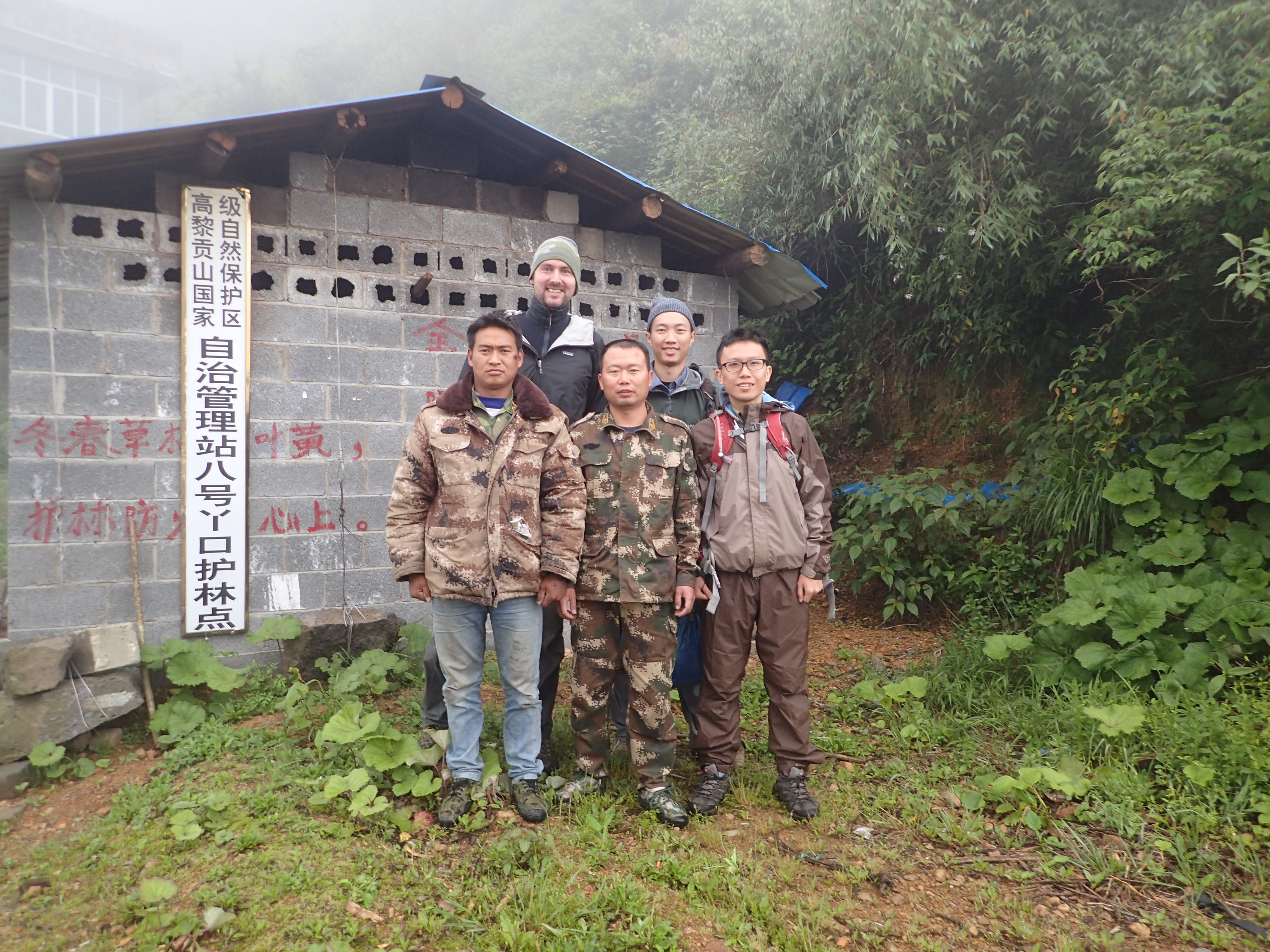
Hengduan Mountains, China
Altitudinal surveys of ant diversity across one of the world's most biodiverse mountain regions.
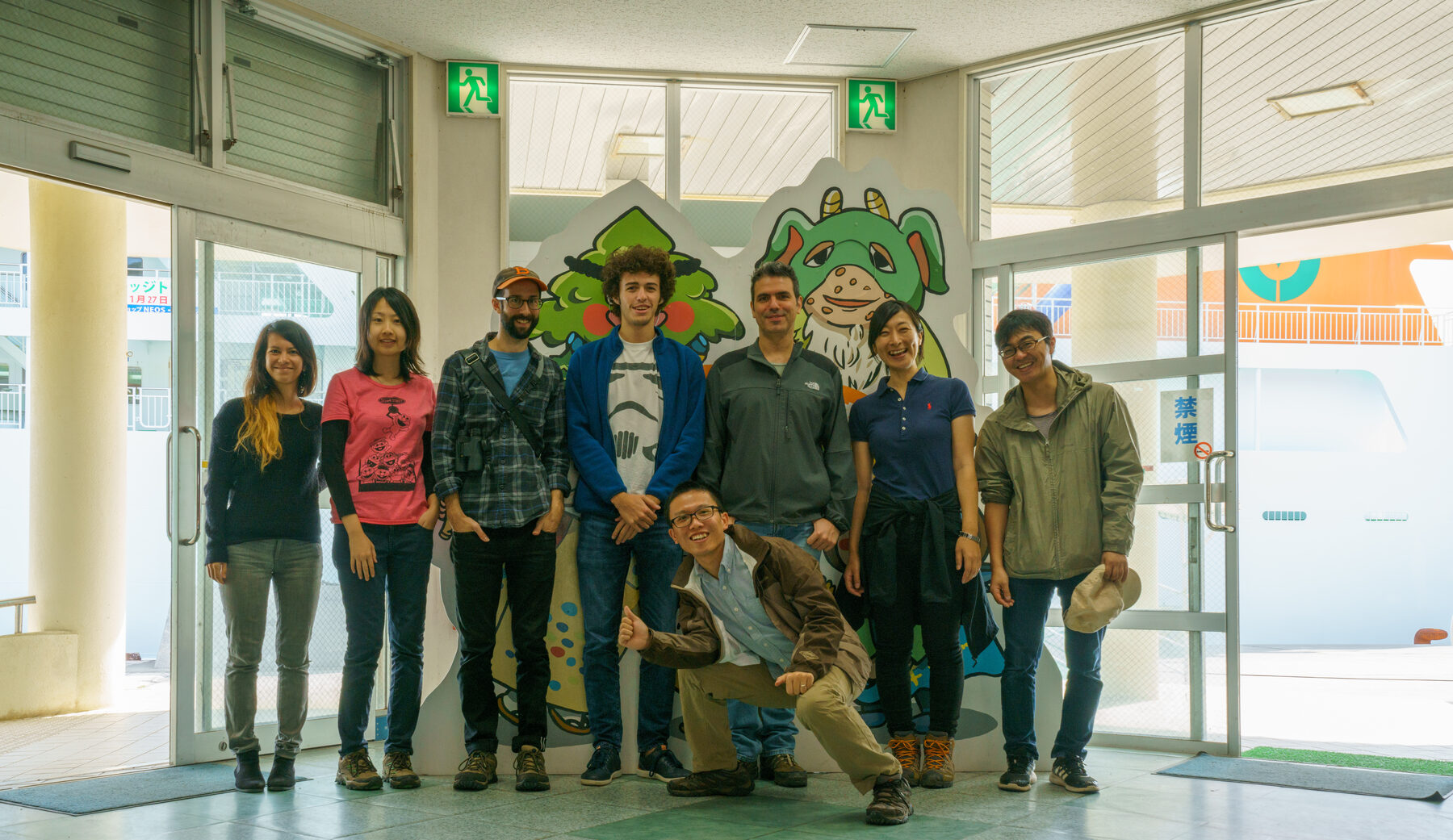
Okinawa, Japan
Island community genomics — understanding colonization, radiation, and decline in Pacific island ants.
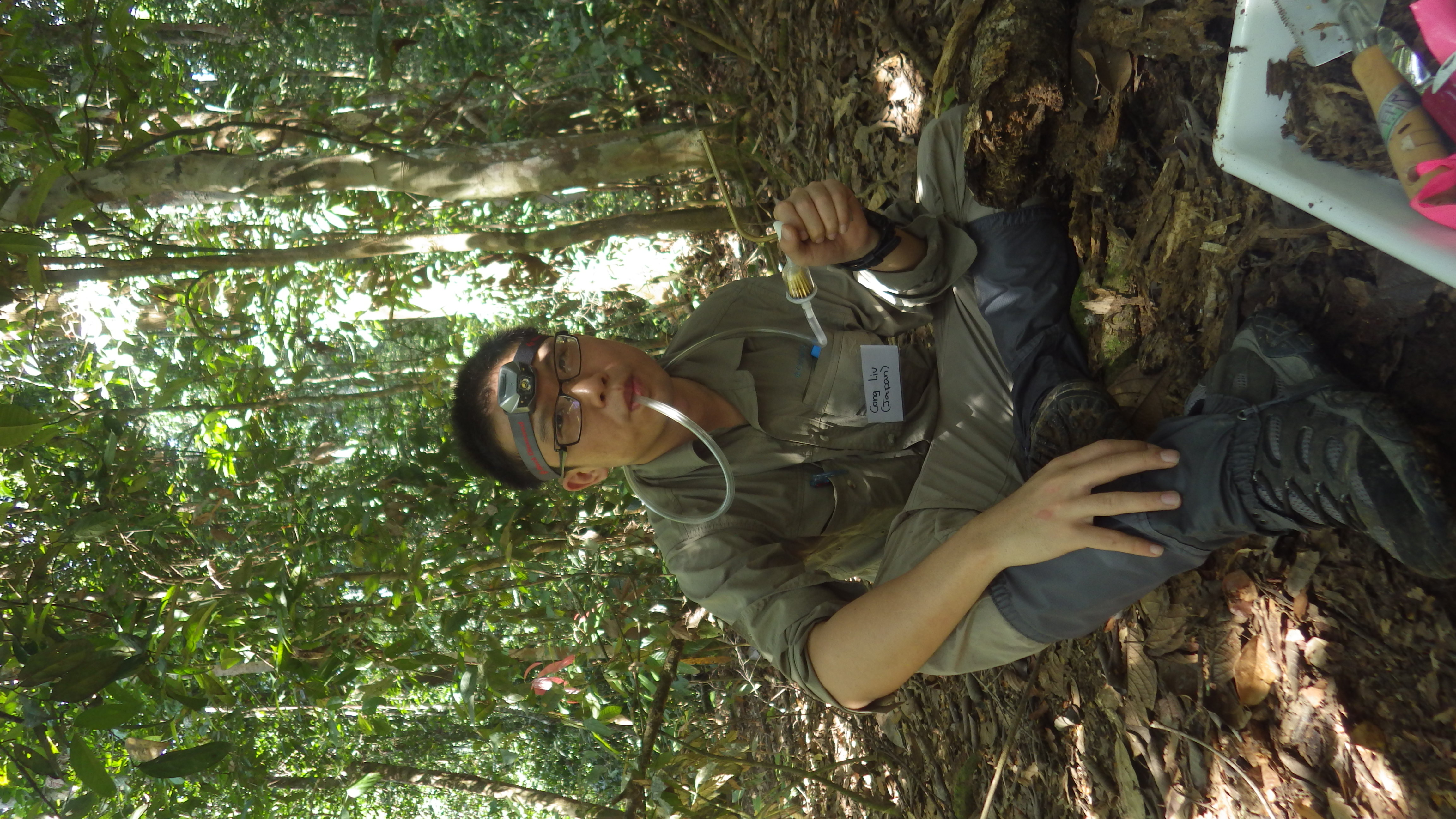
Borneo
Tropical rainforest biodiversity surveys in one of the oldest rainforests on Earth.
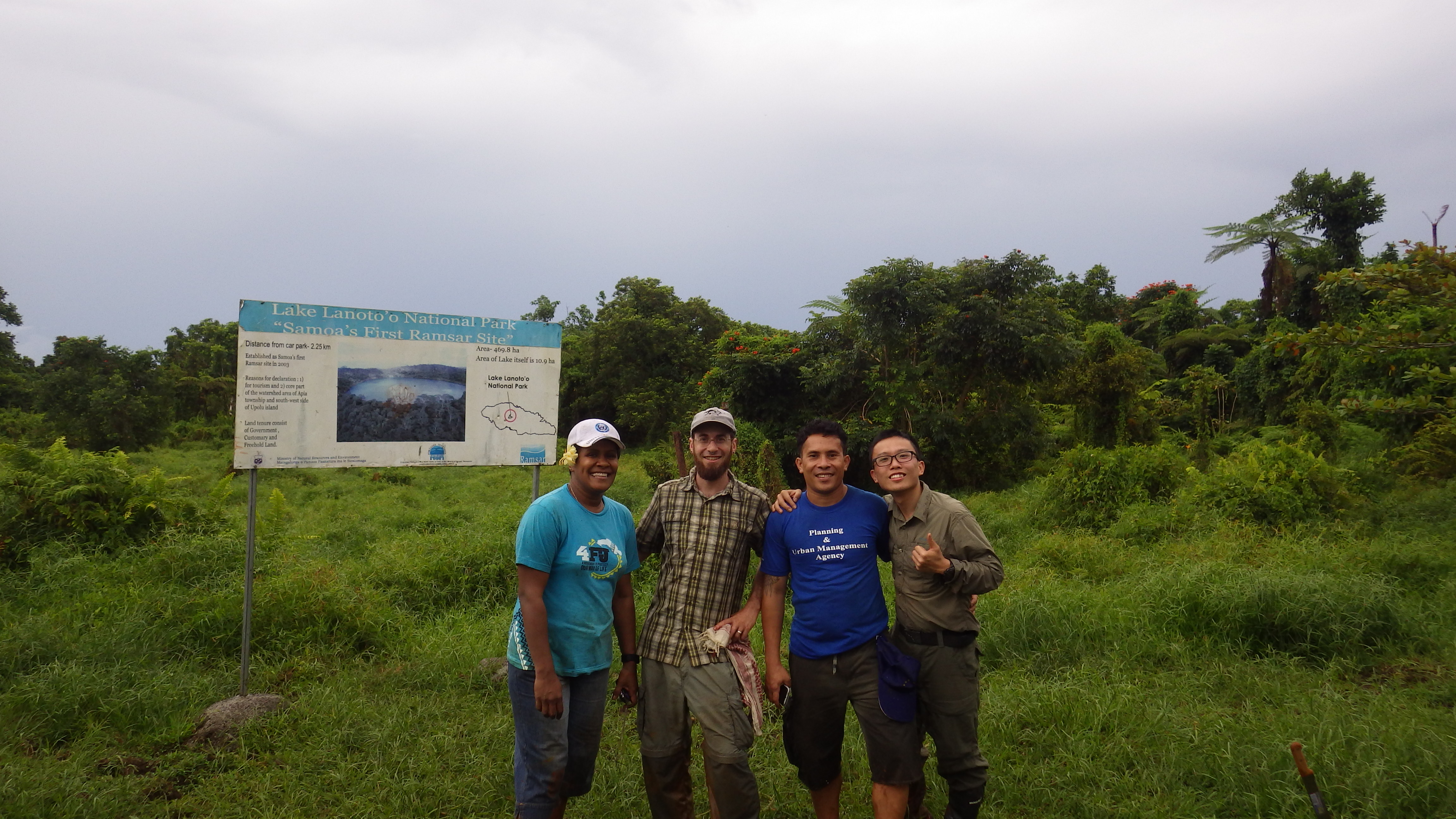
Samoa
First records of cryptic ant subfamilies from remote Pacific islands.
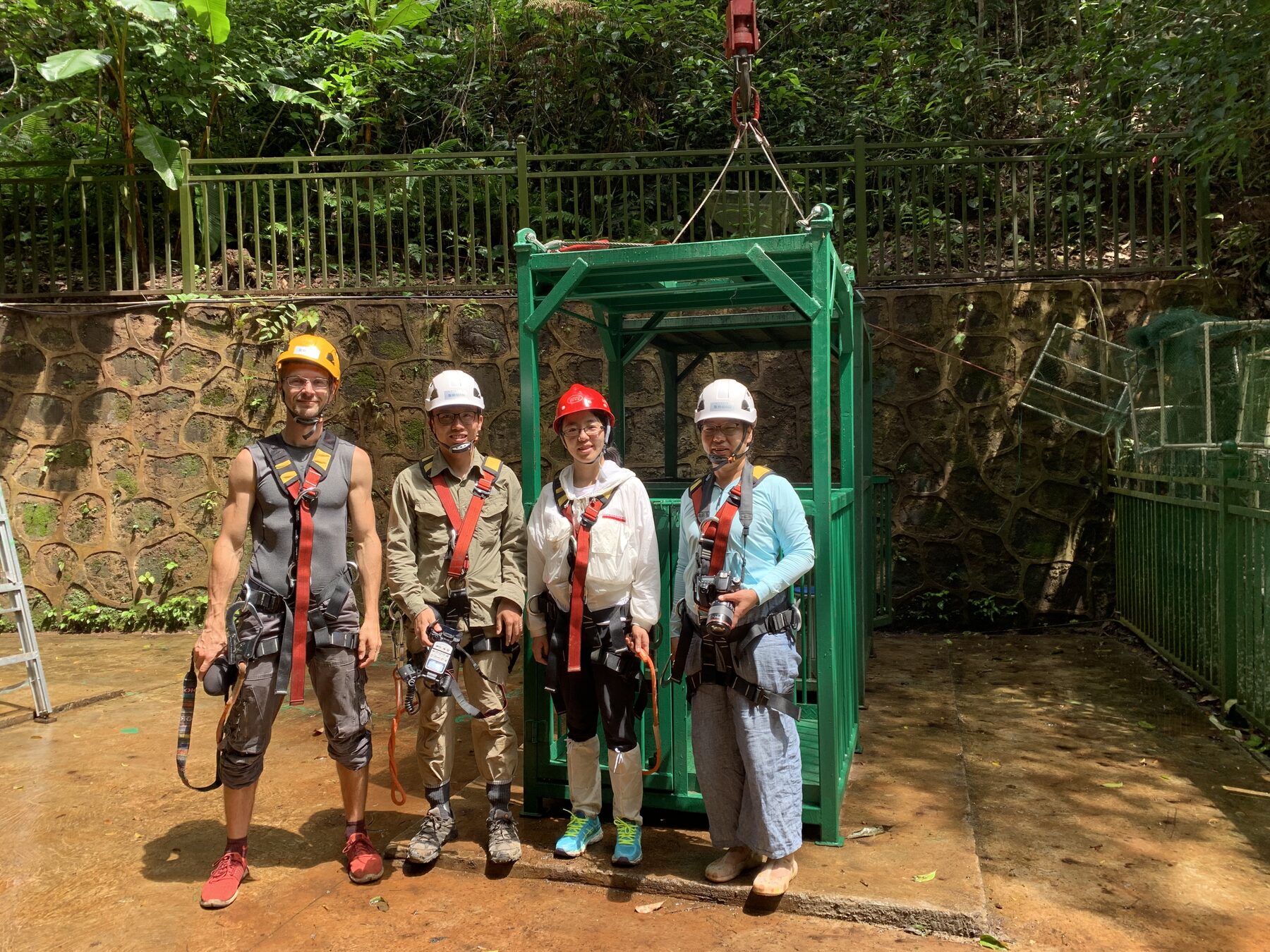
Xishuangbanna, China
Fig wasp ecology and rubber plantation biodiversity research in tropical Yunnan.